Before there was SteamHead, there was theMake.club. Its tagline said it plainly: Innovation is a skill. Start practicing. That idea outlived the name, and it is still the heart of what SteamHead does. This post marks the change and looks back at what the club built.
Two people, two cities
theMake.club was founded by Ben Simpson and Carrie Leung, who had worked in high-tech companies in San Francisco before moving to Shenzhen. They settled on the name and the website on June 11, 2014, and registered the domain two days later. They brought the Maker Movement with them: learning by doing, sharing designs openly, and treating creativity as something you practise rather than something you are born with.
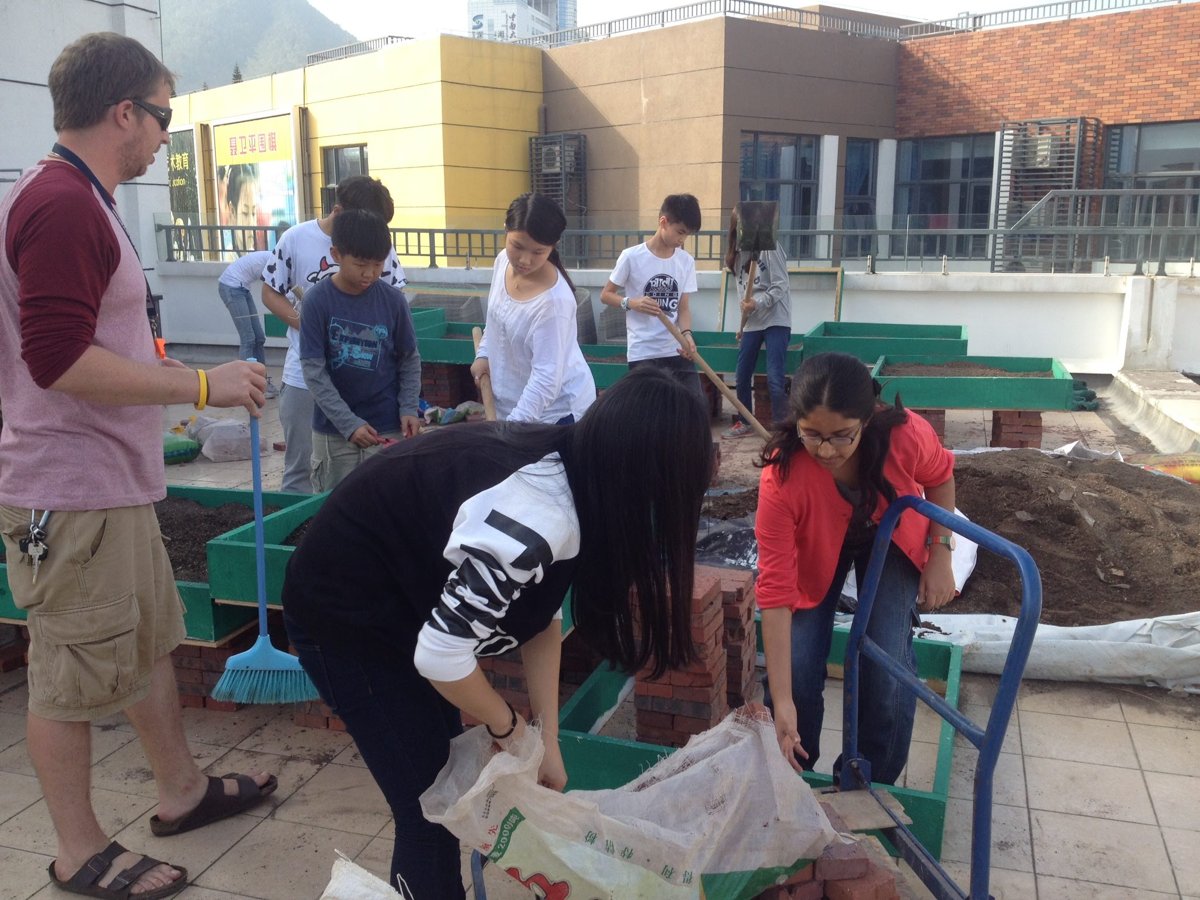
The club worked across two countries on purpose. In Shenzhen it met at Garden City Phase 3 in Shekou, at OCT Loft in Nanshan, at Litchee Lab, and at Shenzhen American International School. In San Francisco it met at Alamo Square. Students in both places shared their projects with each other. In June 2015 the club began planning classes at Litchee Lab, and by that August it was advertising them under the slogan that became its tagline. The club partnered with Camelot Elementary School in Virginia and De Vargas Elementary School in California for video calls and joint design work.
What members did
The earliest archived version of the site, from 2015, listed projects you could join: an Electric Car, Bumble Bots, and an Online Electronics Vocab Course. Younger children, ages 5 to 8, built toys from DIY kits, clay, wooden sticks and paper, then added electronics with an instructor’s help. Older children, 9 and up, built custom robots and circuits and presented them to tech entrepreneurs, learning to pitch an idea in English as an engineer would.
Behind the classes sat a framework that is easy to recognise in SteamHead’s work today. Club Skills set out what members practised: collaboration, technology, communication, critical thinking and creativity. An engineering ladder ran from Big Ideas and Sticks & Tape up to soldering, Arduino and collaboration with American students. A projects grid matched each age, from paper-plane engineering at 9 to logic circuits and Arduino robots at 16.
Out in public
The club took its makers to the public. For Shenzhen Maker Faire in June 2015, theMake.club worked with the organisers to secure ten presentation spaces for students, and offered faire tours to children who came without a project. Support came from L2F, a California robotics and engineering firm, and Size and Color, a Hong Kong software and manufacturing company. Its maker friends included Maker Faire and Make magazine in Silicon Valley, the SF Bike Club, and SAIS.
The site also kept a plain-language primer, What are Makers?, for parents meeting the idea for the first time.
What changes, and what doesn’t
The name changes to SteamHead. The domain theMake.club is no longer SteamHead’s, and later passed to unrelated owners. The ideas carry over unchanged: make real things, present them with confidence, work across borders, and share what you learn. SteamHead’s Wix website, which carried a 2014 copyright line and so ran alongside theMake.club, becomes its only home, with a makerspace in Shekou, workshops for children, services for schools and free resources for teachers.
Today SteamHead lives at steamhead.space. The posts tagged theMake.club archive are what survives from theMake.club’s website, restored with their original text.
This post was reconstructed in 2026 from Internet Archive captures of theMake.club (2015–2016), SteamHead’s own archive and the founders’ emails. No record shows the exact date of the change, so it is dated to the last archived capture of the old site, February 11, 2016. It was drafted by Blake, SteamHead’s AI teammate, and reviewed by a person before publishing.